Healthcare
Redesign: Healthcare Diagnosis & Education App
Redesigning the app for better usability, ensuring accessibility for health workers and patients with limited digital skills.
Redesigning the app for better usability, ensuring accessibility for health workers and patients with limited digital skills.

Industry
Industry
Industry
Healthcare
Healthcare
Healthcare
Headquarters
Headquarters
Headquarters
Utrecht (Netherlands)
Utrecht (Netherlands)
Utrecht (Netherlands)
Company size
Company size
Company size
51-200
51-200
51-200
Project Scope
Project Scope
Project Scope
16 weeks
16 weeks
16 weeks
Overview
Healthy Entrepreneurs (HE) is a Dutch foundation operating in seven East African countries. Its mission is to improve access to basic healthcare and essential pharmacy products in remote areas by training local residents as Community Health Entrepreneurs (CHEs) to provide services and sell affordable health products.
Challenge
Design a health-focused mobile app for community health workers with limited digital skills, in rural East Africa. The app needed to support accurate malaria diagnosis and education while being simple, accessible, and usable in low-connectivity environments.
Results
Redesigned a health app used by community health workers, adding features like a symptom checker, test guide, and learning resources. The new version improved usability test success rates from 30% to 80% and is now actively used in the field, with plans to extend it to other health topics.
Overview
Healthy Entrepreneurs (HE) is a Dutch foundation operating in seven East African countries. Its mission is to improve access to basic healthcare and essential pharmacy products in remote areas by training local residents as Community Health Entrepreneurs (CHEs) to provide services and sell affordable health products.
Challenge
Design a health-focused mobile app for community health workers with limited digital skills, in rural East Africa. The app needed to support accurate malaria diagnosis and education while being simple, accessible, and usable in low-connectivity environments.
Results
Redesigned a health app used by community health workers, adding features like a symptom checker, test guide, and learning resources. The new version improved usability test success rates from 30% to 80% and is now actively used in the field, with plans to extend it to other health topics.
50%
Increase in Task Success Rate
Increase in Task Success Rate
60%
Reduction in User Errors
Reduction in User Errors
Empathize
Conducted five remote interviews with users in Kenya and Uganda to understand their routines and challenges with the app. The goal was to identify usability issues and ensure the redesign addressed real-world needs. Key pain points identified include:
Diagnosis - Users find the process complex and often need external support to make decisions.
Test Execution - Users lack confidence in performing tests and need a clearer, simpler process.
Access to Content - Users struggle to quickly access educational resources.
Conducted five remote interviews with users in Kenya and Uganda to understand their routines and challenges with the app. The goal was to identify usability issues and ensure the redesign addressed real-world needs. Key pain points identified include:
Diagnosis - Users find the process complex and often need external support to make decisions.
Test Execution - Users lack confidence in performing tests and need a clearer, simpler process.
Access to Content - Users struggle to quickly access educational resources.
Conducted five remote interviews with users in Kenya and Uganda to understand their routines and challenges with the app. The goal was to identify usability issues and ensure the redesign addressed real-world needs. Key pain points identified include:
Diagnosis - Users find the process complex and often need external support to make decisions.
Test Execution - Users lack confidence in performing tests and need a clearer, simpler process.
Access to Content - Users struggle to quickly access educational resources.
Define
After identifying key pain points in the interviews, I collaborated with the HE team to prioritize the most critical user needs, focusing primarily on supporting accurate diagnosis and improving test execution to help CHEs perform procedures confidently and safely.
After identifying key pain points in the interviews, I collaborated with the HE team to prioritize the most critical user needs, focusing primarily on supporting accurate diagnosis and improving test execution to help CHEs perform procedures confidently and safely.
Problem statement
Problem
statement
How might we support Community Health Entrepreneurs (CHEs) in making accurate diagnoses and conducting tests with confidence—even in low-connectivity and low digital literacy?
How might we support Community Health Entrepreneurs (CHEs) in making accurate diagnoses and conducting tests with confidence—even in low-connectivity and low digital literacy?
How might we support Community Health Entrepreneurs (CHEs) in making accurate diagnoses and conducting tests with confidence—even in low-connectivity and low digital literacy?
Ideate
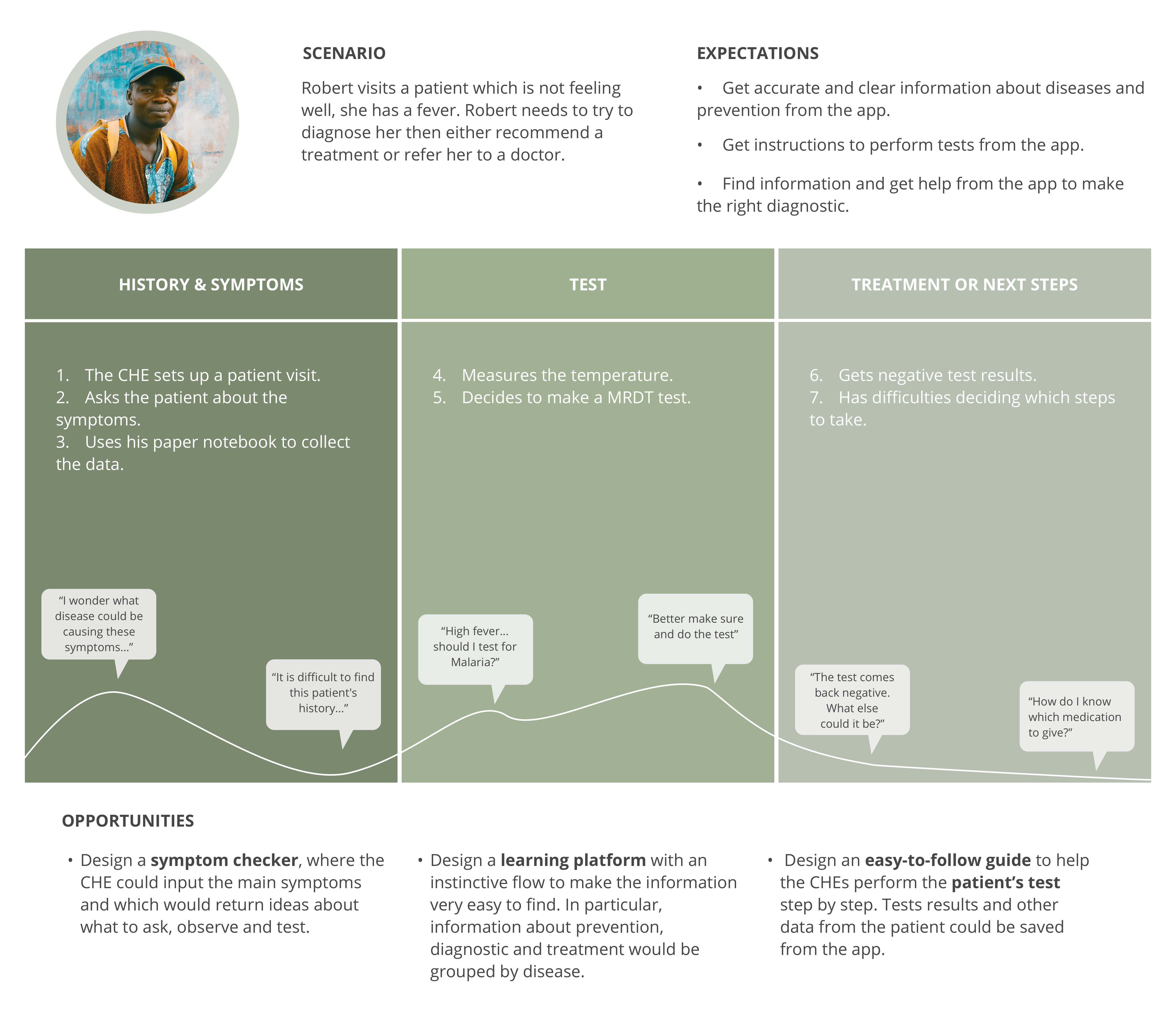
Mapping the user journey from the CHE's perspective confirmed that a Symptom Checker would simplify their diagnostic process. It also sparked the idea for a Test Guide—a step-by-step assistant to help CHEs conduct patient tests with confidence.
Mapping the user journey from the CHE's perspective confirmed that a Symptom Checker would simplify their diagnostic process. It also sparked the idea for a Test Guide—a step-by-step assistant to help CHEs conduct patient tests with confidence.
Mapping the user journey from the CHE's perspective confirmed that a Symptom Checker would simplify their diagnostic process. It also sparked the idea for a Test Guide—a step-by-step assistant to help CHEs conduct patient tests with confidence.
Build
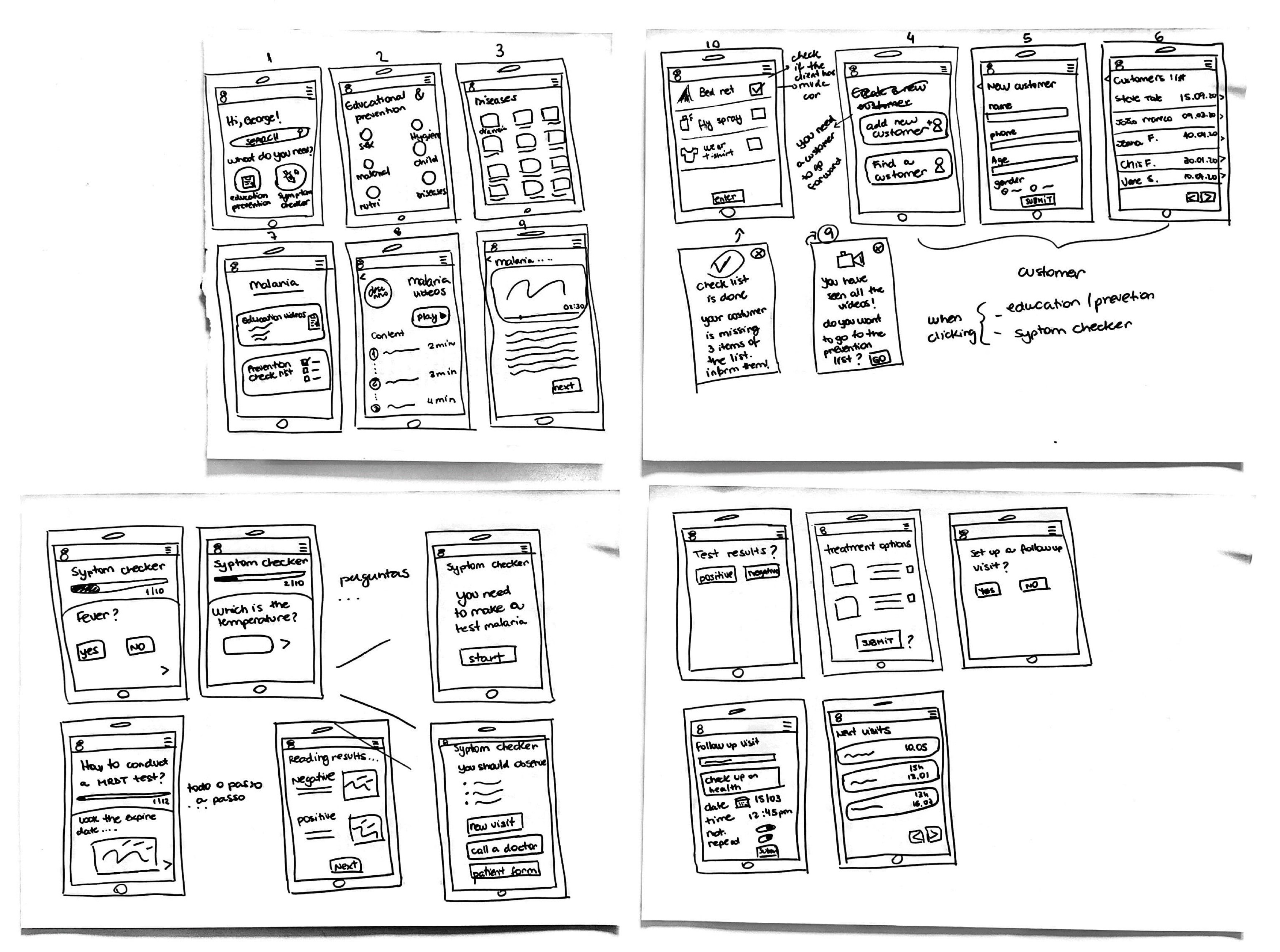
Sketching and wireframing allowed me to think through the user flow from a practical, ground-level perspective. I explored ways to preserve the CHEs' existing education and prevention work, while introducing a Symptom Checker and a step-by-step Test Guide.
It gave me the flexibility to test different flows, prioritize clarity, and land on a structure with simple connections, big buttons, and clear messages—all designed to guide users with confidence and minimize distractions in the field.
Sketching and wireframing allowed me to think through the user flow from a practical, ground-level perspective. I explored ways to preserve the CHEs' existing education and prevention work, while introducing a Symptom Checker and a step-by-step Test Guide.
It gave me the flexibility to test different flows, prioritize clarity, and land on a structure with simple connections, big buttons, and clear messages—all designed to guide users with confidence and minimize distractions in the field.
Sketching and wireframing allowed me to think through the user flow from a practical, ground-level perspective. I explored ways to preserve the CHEs' existing education and prevention work, while introducing a Symptom Checker and a step-by-step Test Guide.
It gave me the flexibility to test different flows, prioritize clarity, and land on a structure with simple connections, big buttons, and clear messages—all designed to guide users with confidence and minimize distractions in the field.
The solution
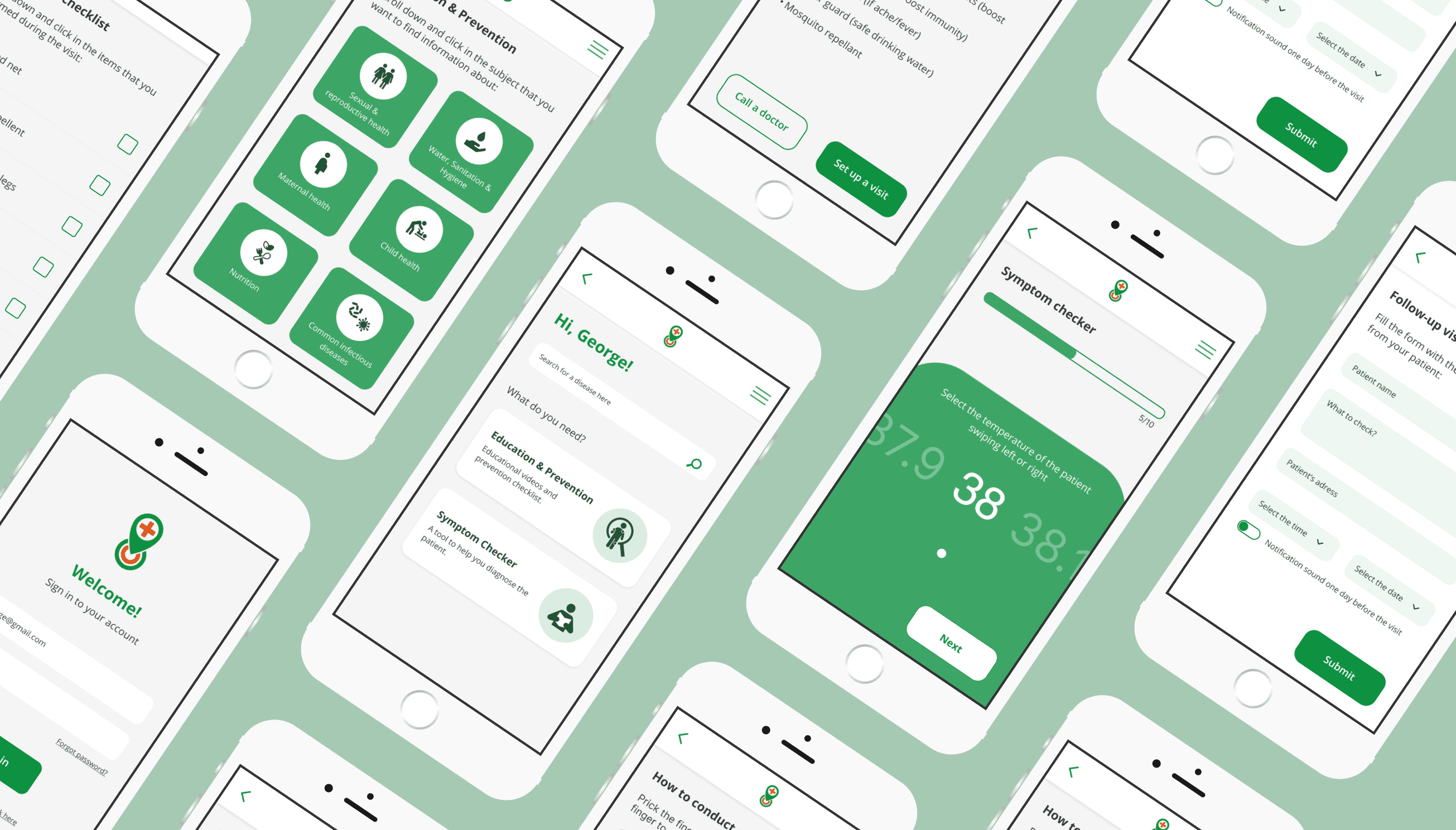
We designed a mobile application that supports Community Health Entrepreneurs in delivering more accurate and confident care. The app features a Symptom Checker to simplify diagnosis and a Test Guide to walk CHEs through patient procedures step by step.
With a clean interface, large intuitive buttons, and clear visual feedback, the experience is tailored for users with varying levels of digital literacy. Consistent icons and minimal distractions help keep the focus on patient care, while the color palette aligns with Healthy Entrepreneurs' branding and the medical context.
The goal is to empower CHEs with the right tools—right in their hands—to offer reliable, independent care in remote communities.
We designed a mobile application that supports Community Health Entrepreneurs in delivering more accurate and confident care. The app features a Symptom Checker to simplify diagnosis and a Test Guide to walk CHEs through patient procedures step by step.
With a clean interface, large intuitive buttons, and clear visual feedback, the experience is tailored for users with varying levels of digital literacy. Consistent icons and minimal distractions help keep the focus on patient care, while the color palette aligns with Healthy Entrepreneurs' branding and the medical context.
The goal is to empower CHEs with the right tools—right in their hands—to offer reliable, independent care in remote communities.
Symptom Checker
Symptom Checker
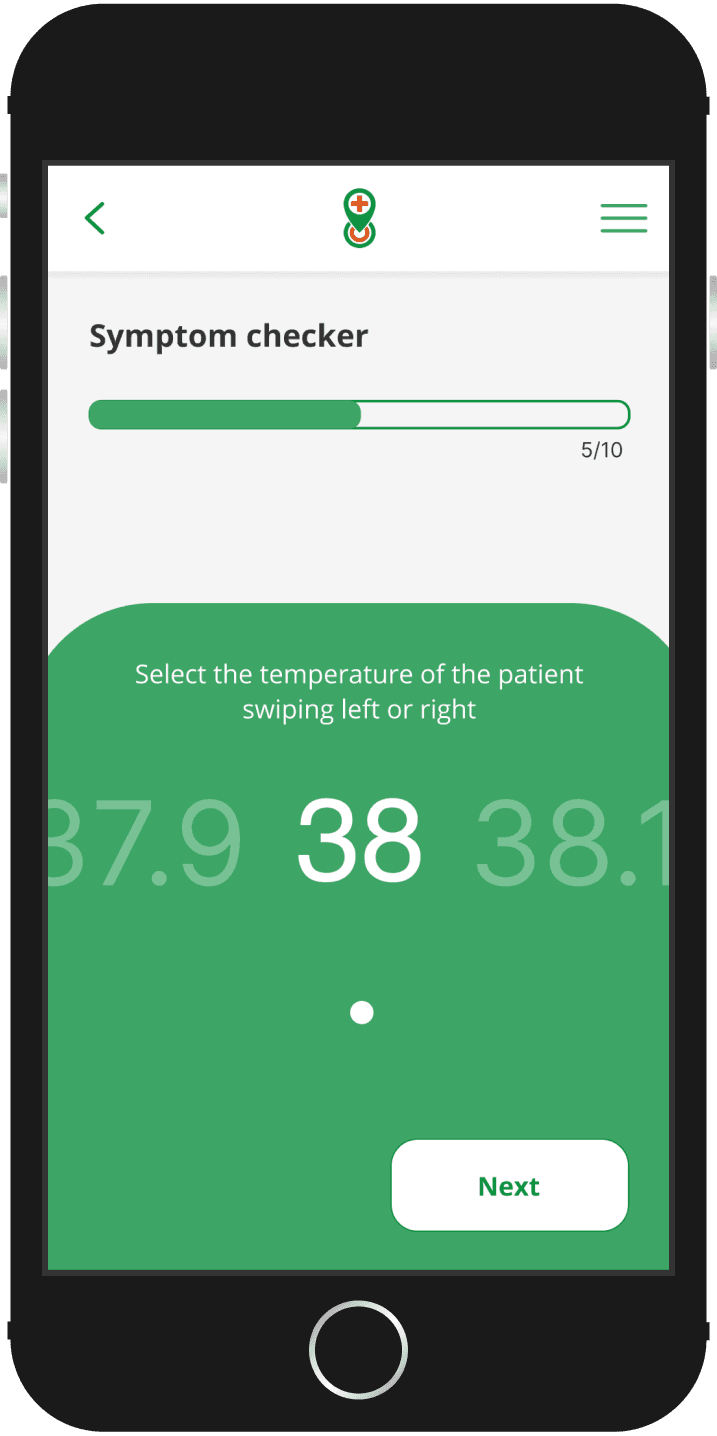
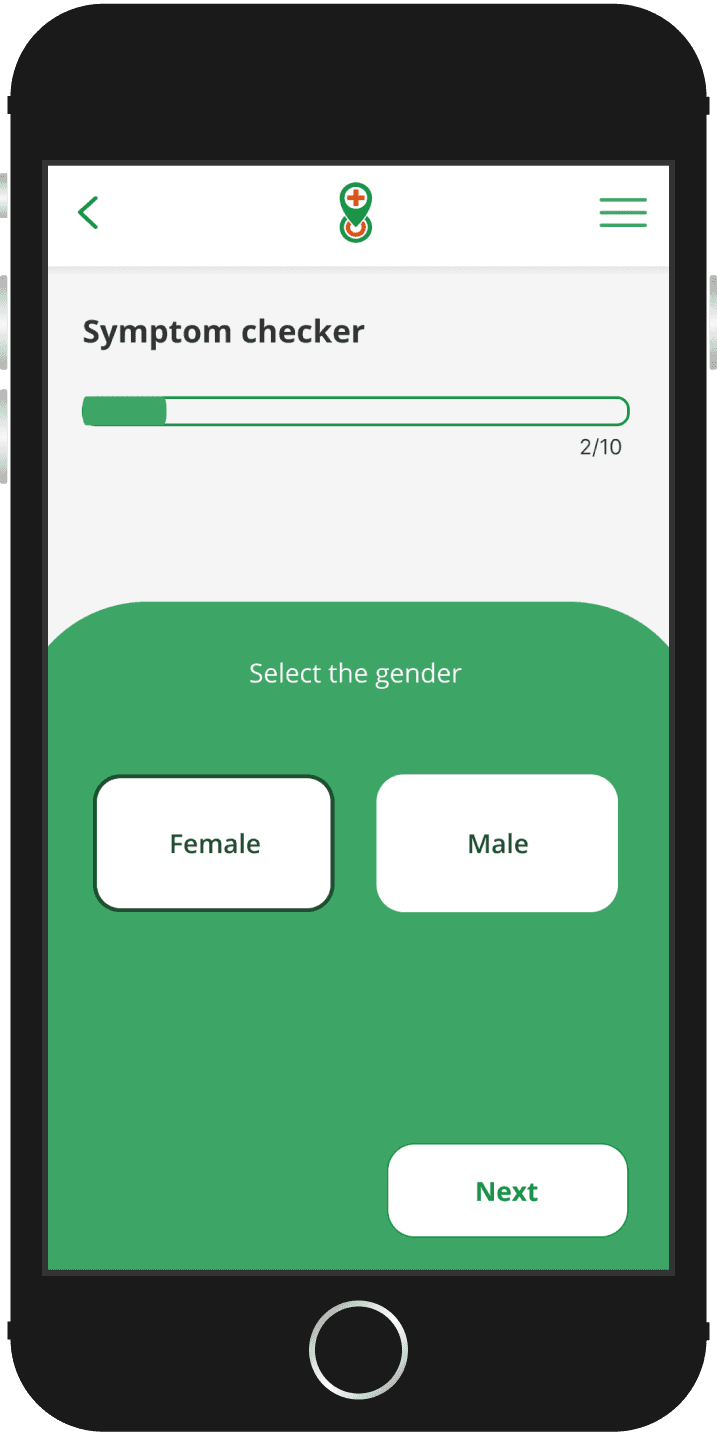
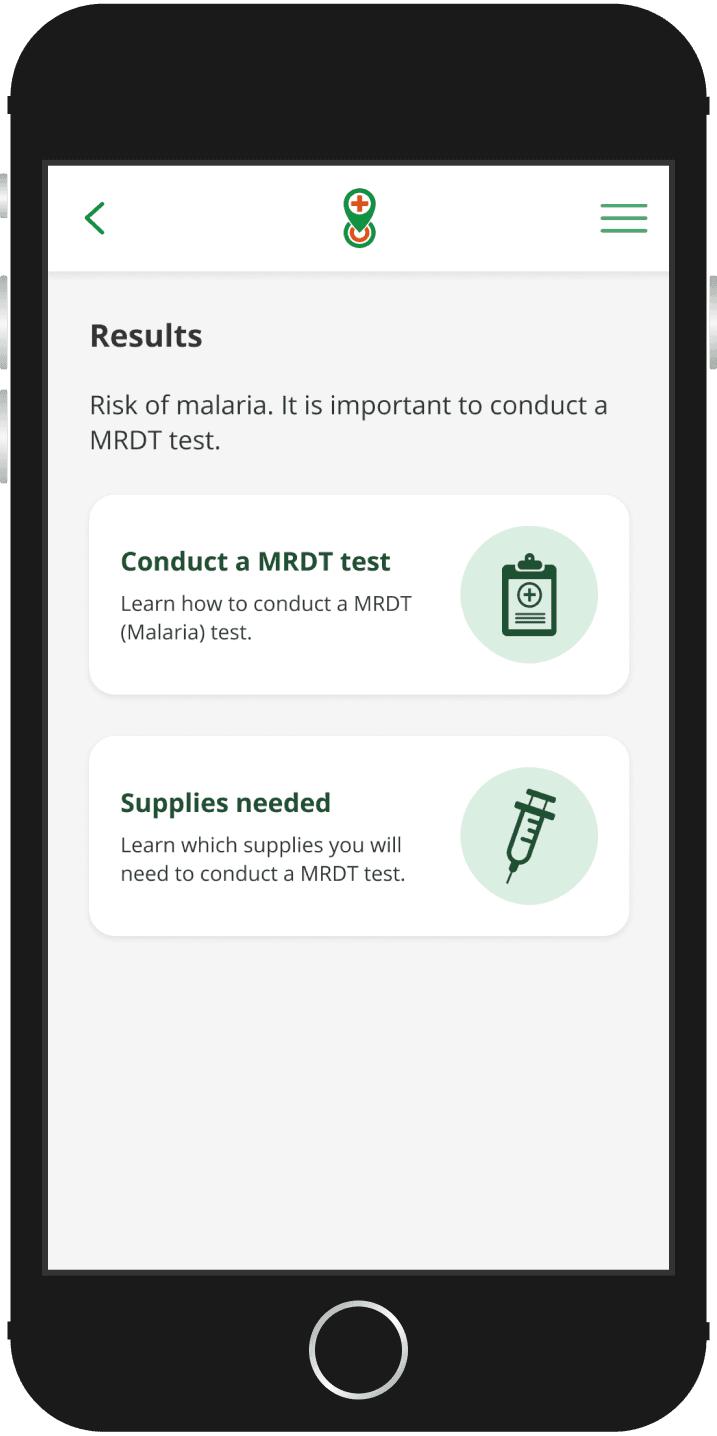
We created a step-by-step symptom checker to help users identify health issues and determine the next steps—whether it's taking medication, scheduling a follow-up visit with a doctor, or calling a doctor immediately. This approach enables users to diagnose more effectively, reducing the need for external help.
We created a step-by-step symptom checker to help users identify health issues and determine the next steps—whether it's taking medication, scheduling a follow-up visit with a doctor, or calling a doctor immediately. This approach enables users to diagnose more effectively, reducing the need for external help.
We created a step-by-step symptom checker to help users identify health issues and determine the next steps—whether it's taking medication, scheduling a follow-up visit with a doctor, or calling a doctor immediately. This approach enables users to diagnose more effectively, reducing the need for external help.
Test Guide
Test Guide
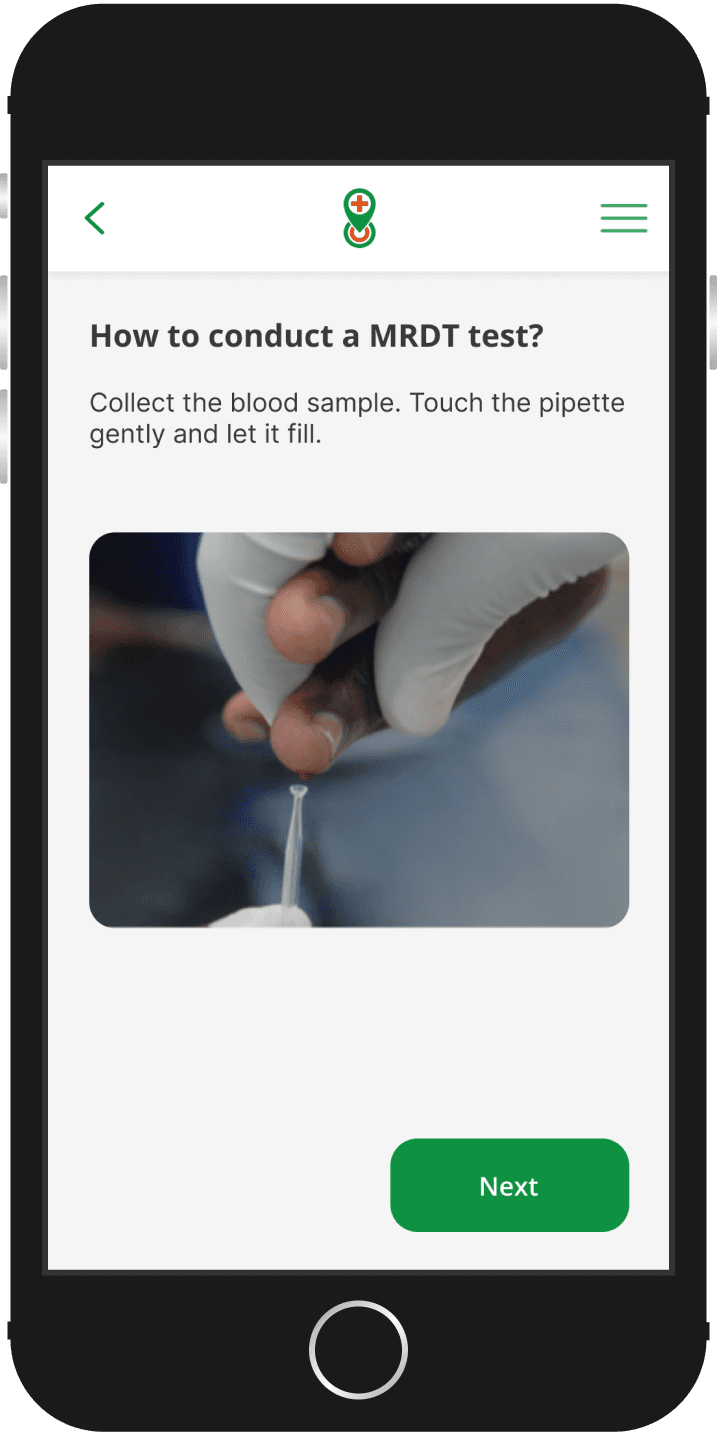
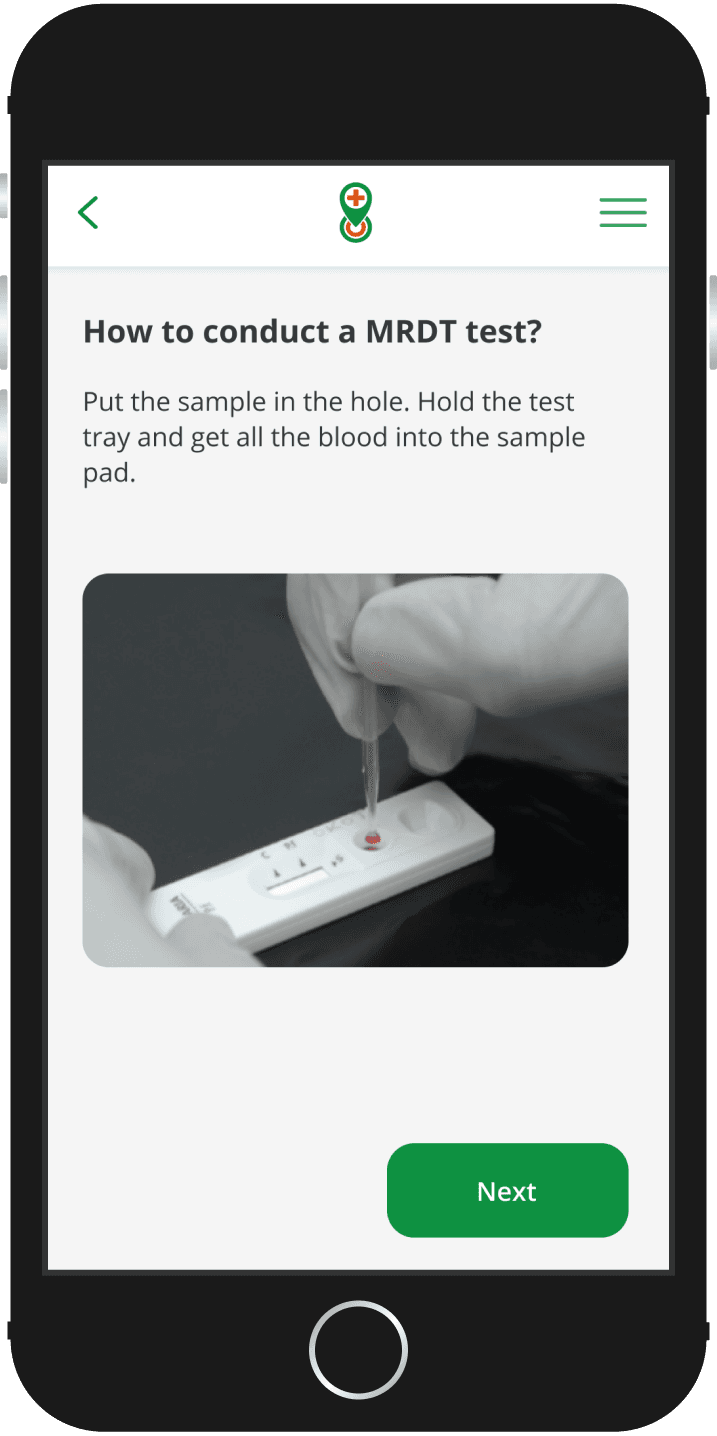
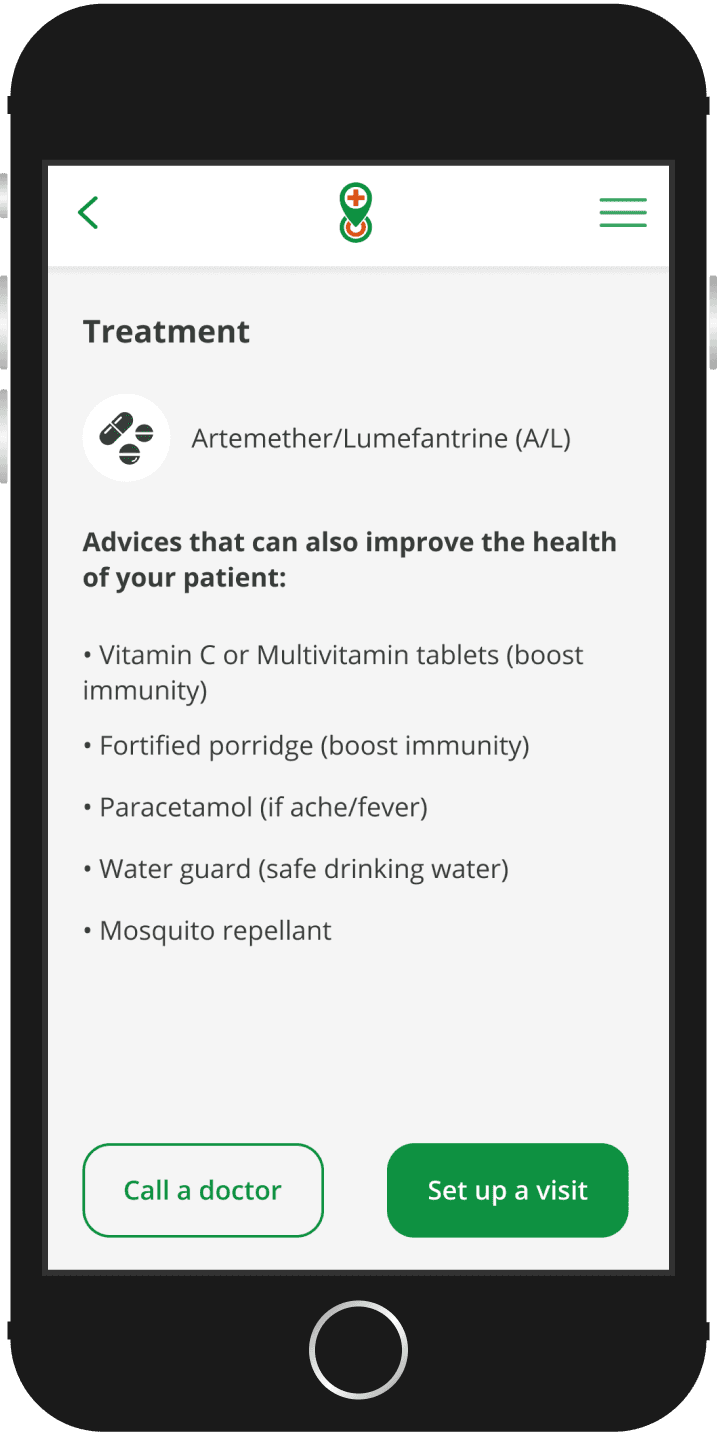
We developed a structured test guide to assist CHEs in conducting tests confidently and safely. It provides clear instructions for each step, allowing them to perform more tests, detect problems earlier, and take action before a doctor's visit, ultimately preventing more serious health issues.
We developed a structured test guide to assist CHEs in conducting tests confidently and safely. It provides clear instructions for each step, allowing them to perform more tests, detect problems earlier, and take action before a doctor's visit, ultimately preventing more serious health issues.
We developed a structured test guide to assist CHEs in conducting tests confidently and safely. It provides clear instructions for each step, allowing them to perform more tests, detect problems earlier, and take action before a doctor's visit, ultimately preventing more serious health issues.
Test
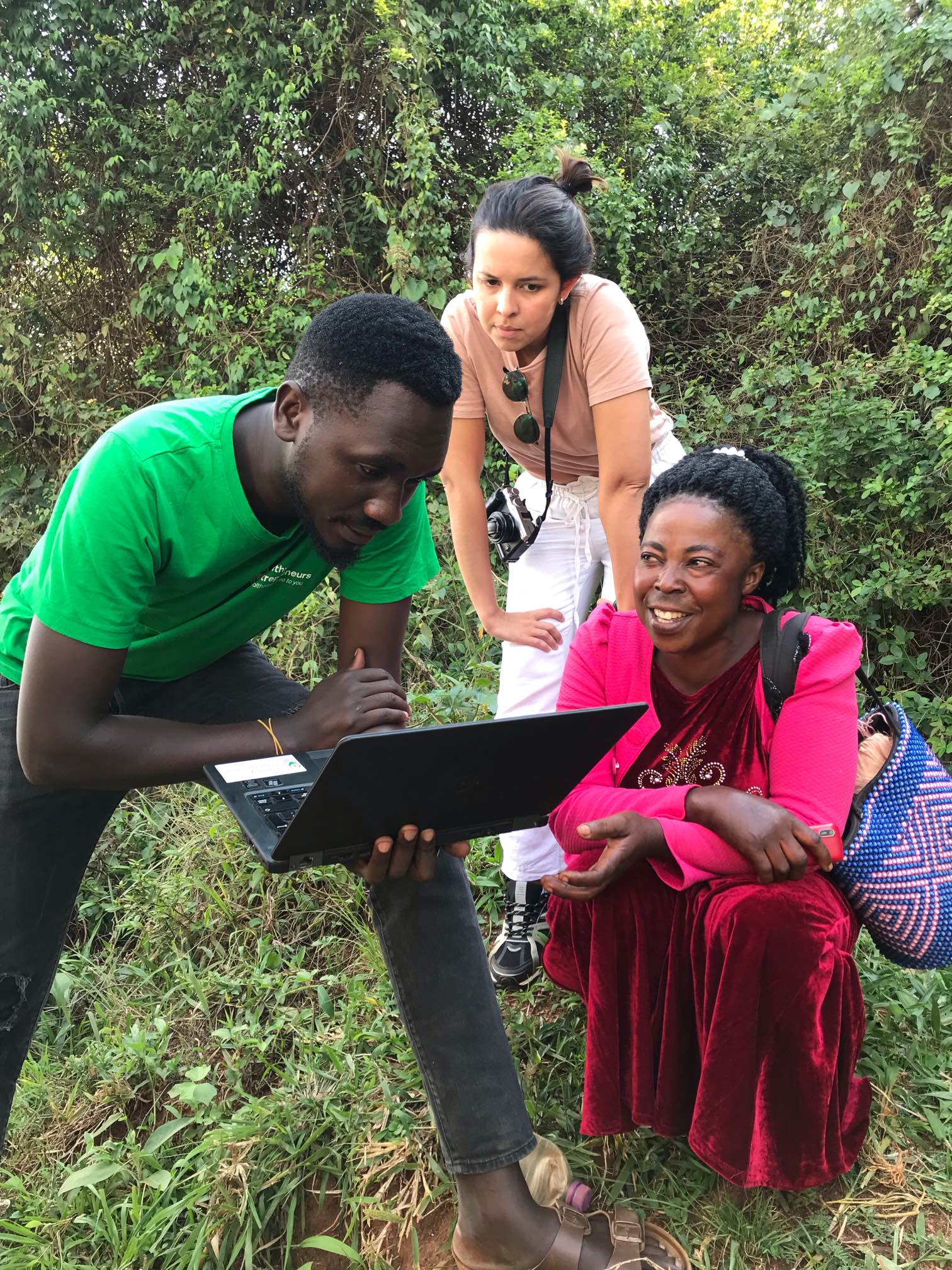
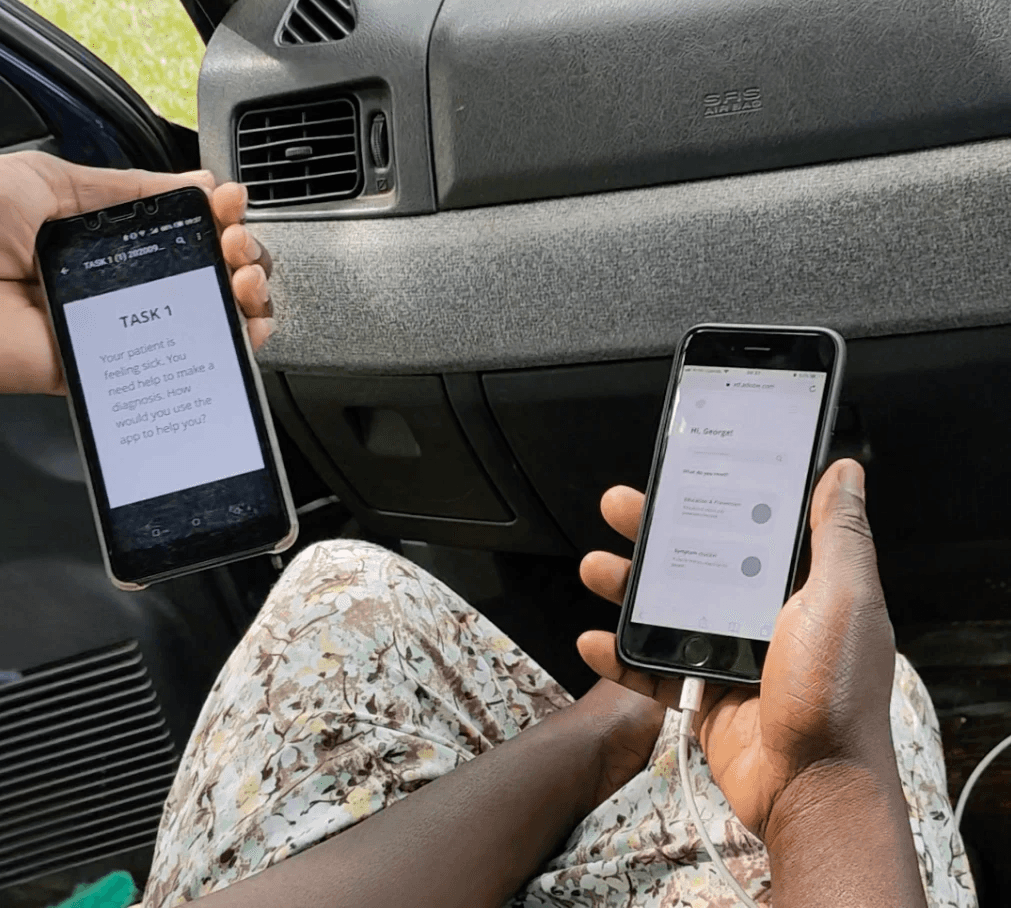
I led two rounds of usability tests with five participants, starting with wireframes and later a high-fidelity prototype. After that, I went into the field in Uganda to observe how CHEs were using the tool in real-life conditions and to better understand its impact.
Key insights:
Additional extra data fields (age, weight) were needed
UI tweaks (larger buttons, clearer instructions) improved usability
CHEs needed more detailed descriptions to feel confident using the tool
After these adjustments, the task success rate rose from 20% to 70% between the first and second rounds of testing.
I led two rounds of usability tests with five participants, starting with wireframes and later a high-fidelity prototype. After that, I went into the field in Uganda to observe how CHEs were using the tool in real-life conditions and to better understand its impact.
Key insights:
Additional extra data fields (age, weight) were needed
UI tweaks (larger buttons, clearer instructions) improved usability
CHEs needed more detailed descriptions to feel confident using the tool
After these adjustments, the task success rate rose from 20% to 70% between the first and second rounds of testing.
I led two rounds of usability tests with five participants, starting with wireframes and later a high-fidelity prototype. After that, I went into the field in Uganda to observe how CHEs were using the tool in real-life conditions and to better understand its impact.
Key insights:
Additional extra data fields (age, weight) were needed
UI tweaks (larger buttons, clearer instructions) improved usability
CHEs needed more detailed descriptions to feel confident using the tool
After these adjustments, the task success rate rose from 20% to 70% between the first and second rounds of testing.
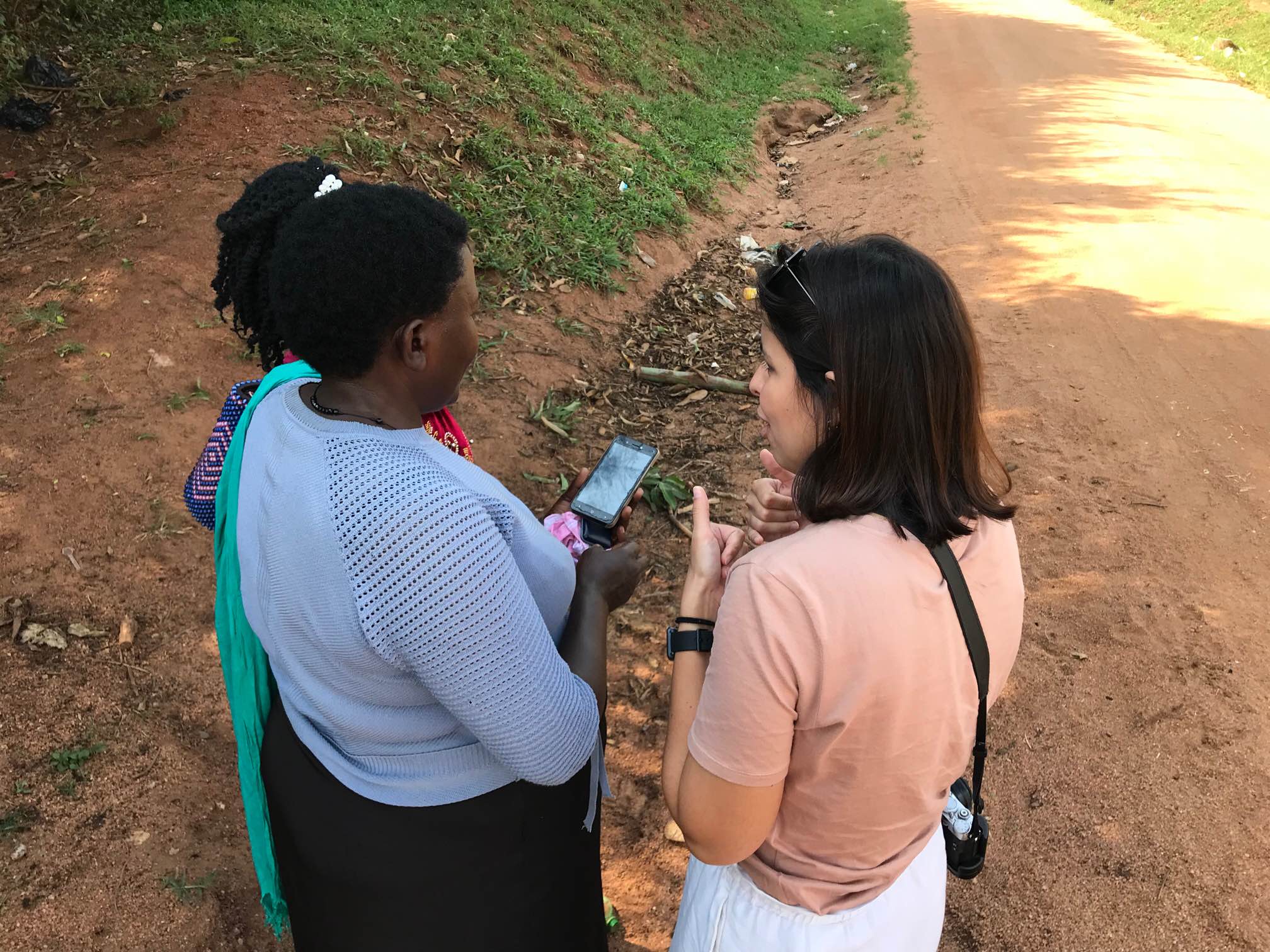
Observing how users interact with the app in the real-world setting in Uganda.
Observing how users interact with the app in the real-world setting in Uganda.
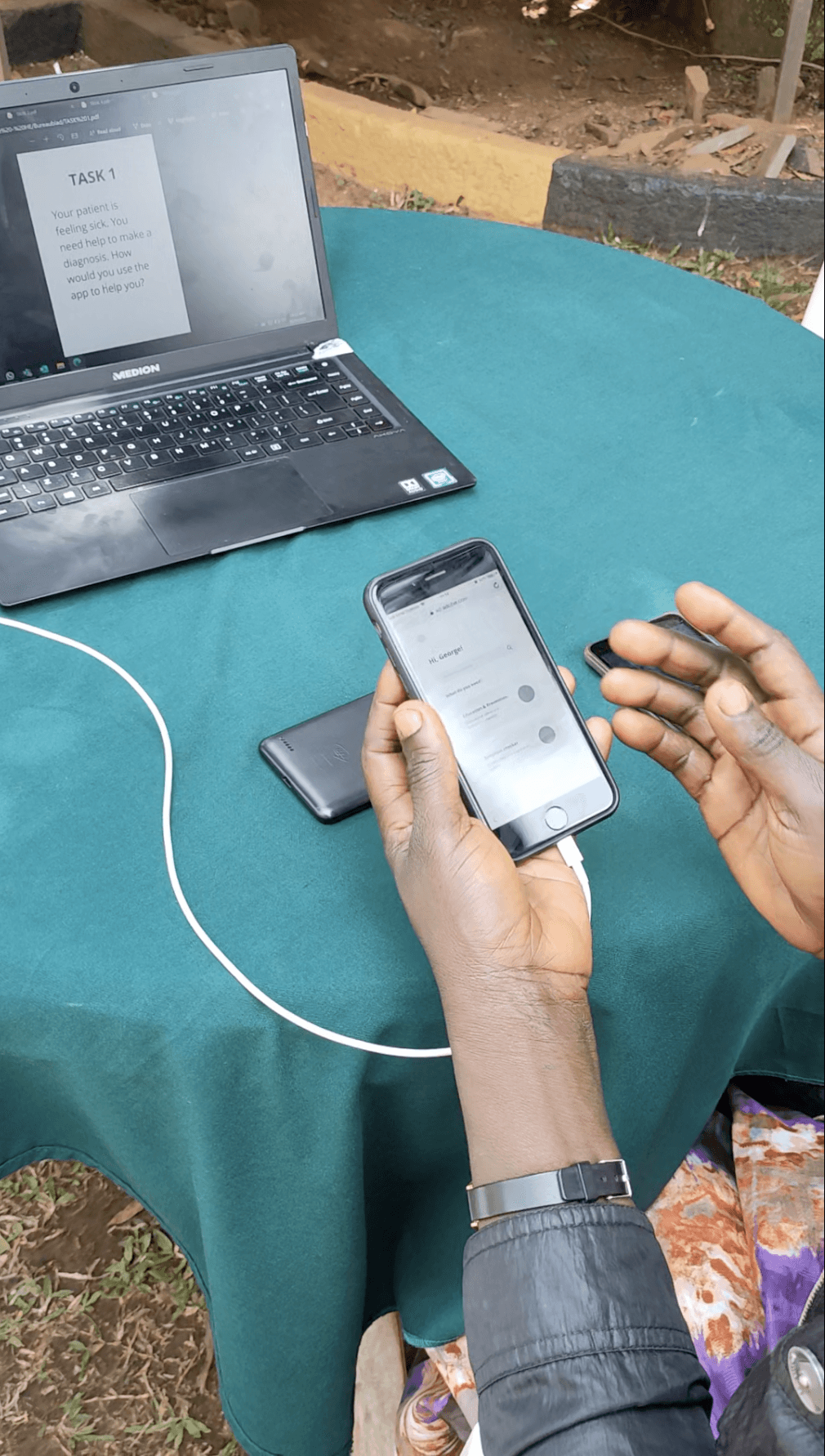
Testing initial wireframes to gather feedback for the next iteration.
Testing initial wireframes to gather feedback for the next iteration.